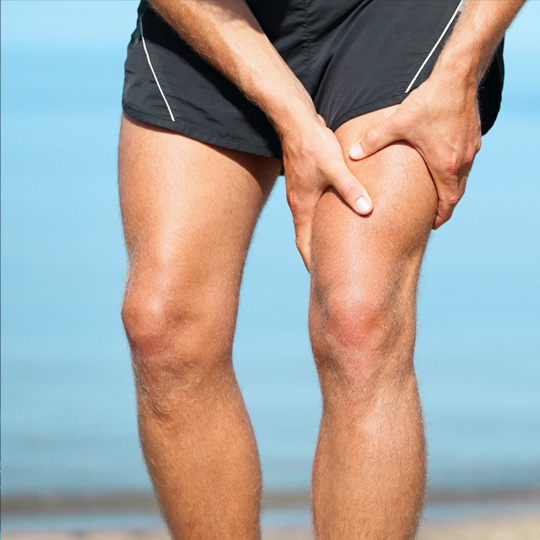
You spent Saturday on the trail, Sunday in the yard, and now Monday your lower back won't let you straighten up. Your shoulders are tight. Getting out of the chair takes a second longer than it should.
Welcome to summer, the season your body does the most and complains the loudest.
We tend to file heat therapy under cold-weather comfort, something for January aches. But the busiest months for your muscles and joints are the warm ones, when you're hiking, gardening, playing, traveling, and generally asking more of your body than you have in months. That's exactly when a little targeted heat earns its place.
Why Summer Means More Aches
Spring and summer flip a switch. After a winter of relative quiet, you're suddenly hauling mulch, swinging a racket, logging miles, and sleeping in unfamiliar beds on the road. Muscles you forgot you had get worked, and the next-day stiffness shows up right on schedule. Add long drives and cramped flights to vacation, plus the way an over-cooled, air-conditioned house can leave you stiff, and the warm season produces plenty of work for a heating pad.
Chronic aches don't take the summer off either. Arthritis, old injuries, and the everyday stiffness of getting older are there year-round, and heat is one of the oldest, simplest ways to take the edge off.
What Heat Therapy Actually Does
Heat works by opening up blood flow. Warmth applied to a sore area widens the blood vessels, which brings more circulation to the muscle, relaxes the tissue, and helps it let go of the tension that's making it ache. More blood flow also means more oxygen and nutrients moving to the area and waste moving out, which is part of how the muscle recovers.
In plain terms: heat loosens what's tight and soothes what's sore. It's well suited to stiff, achy muscles, tension knots, and the general soreness that follows a hard day, as well as the chronic stiffness of joints that don't move as freely as they used to. You can read more on getting the most from it in our guide to effective heat therapy.
Heat or Ice? A Quick Rule
People mix these up, and using the wrong one makes things worse. The simple version:
Ice is for fresh, acute injuries, the first day or two after a sprain, strain, or anything swollen. Cold calms inflammation and numbs sharp pain.
Heat is for stiffness, tension, and ongoing aches, once the initial swelling has settled. Warmth is the wrong move on a hot, swollen, fresh injury, where it can make the inflammation worse.
A good shorthand: if it's new and puffy, reach for cold. If it's stiff, tight, or a familiar old ache, reach for heat. When something is severe, doesn't improve, or you're not sure, that's a question for a medical professional, not a heating pad.
Moist Heat or Dry Heat?
Both help, and the choice is partly personal. Dry heat from a heating pad is convenient and easy to apply for a steady session. Moist heat tends to penetrate a bit more deeply and many people find it more soothing for muscle soreness and stiff joints. Plenty of pads offer a moist-heat option for exactly this reason. Try both and use whichever your body responds to.
Targeted Heat vs. Whole-Body Heat
Match the tool to the problem.
For a specific spot, a stiff neck, a sore lower back, an aching knee, a targeted heating pad or wrap delivers heat right where it hurts. Browse the options in our heat therapy collection to find a shape that fits the area you're treating.
For full-body stiffness, the kind that has you aching all over after a big day, broad gentle warmth helps you relax everything at once. A heated electric throw wrapped around you in the evening soothes tired muscles head to toe, and for a more active approach, an infrared heated yoga mat warms the whole body while you stretch out the stiffness, which is a recovery routine in its own right.
Who Benefits
Weekend warriors paying for Saturday's hike or pickup game on Monday morning.
Gardeners and DIYers whose backs and shoulders take the brunt of a long project.
Travelers stiff from long flights, road trips, and strange hotel beds.
Anyone with chronic stiffness from arthritis, old injuries, or simply the years.
Best for: Loosening stiff, tight, or chronically achy muscles and joints, and easing day-after soreness.
Skip it if: You're dealing with a fresh injury that's hot and swollen, in which case cold comes first.
Doing It Right
A few simple habits keep heat therapy safe and effective:
Keep sessions reasonable, generally 15 to 20 minutes at a time, and let the skin return to normal between rounds.
Use a comfortable warmth, not the hottest setting you can stand. Warm and steady beats scorching.
Put a layer between a heating device and bare skin if the instructions call for it, and check the skin during longer sessions.
Don't fall asleep on a heating pad. Falling asleep on an active heat source is the most common way people get burned, so use models with auto shut-off and don't use them in bed unless they're made for it.
Listen to your body. Heat should soothe. If something feels worse, stop and reassess.
Next Steps
Summer asks a lot of your body. A little heat at the end of an active day loosens what's tight, calms what's sore, and gets you ready to do it again tomorrow.
Browse our heat therapy options to find the right fit for the spot that's bothering you. Not sure which style suits your situation? Contact us and we'll help you choose.
Disclaimer: This article is general information, not medical advice. Heat therapy is not appropriate for every condition or injury. If you have a serious or persistent problem, a circulation or nerve condition, or any doubt, talk to a healthcare professional before using heat.