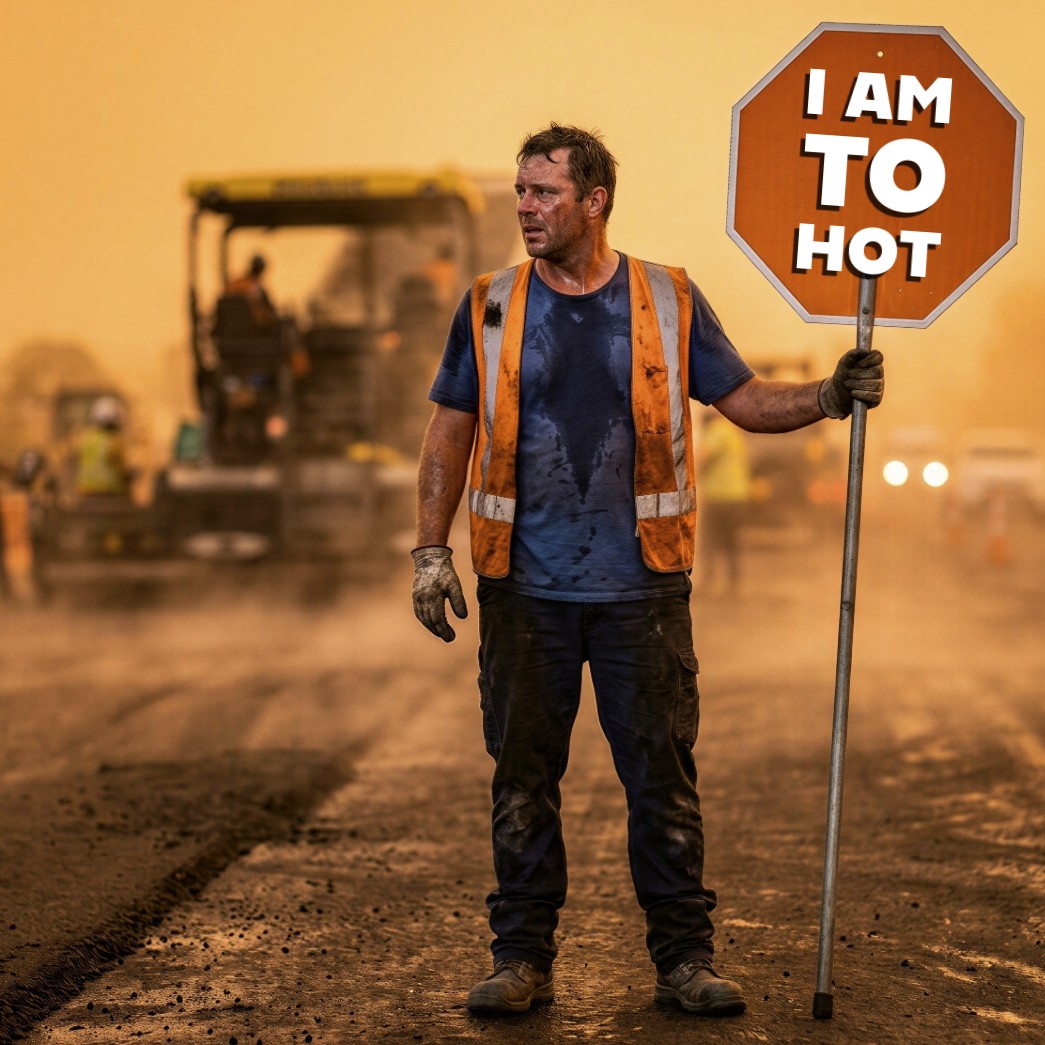
A heat index of 95 doesn't feel dangerous. That's the trap.
Nobody collapses at the start of a shift. It builds. Core temperature creeps up over hours, the worker stops sweating efficiently, the headache starts, judgment slips, and then someone on the crew is sitting in the shade looking gray while everyone else stands around figuring out who calls it in.
By the time heat stress is obvious, you've already lost the productive part of the day. The smart move is keeping body temperature down before it ever climbs.
What Heat Stress Actually Costs
There's the human cost, which is the one that matters most. Heat illness ranges from cramps and exhaustion to heat stroke, which is a medical emergency. Outdoor workers in construction, agriculture, and landscaping carry the highest exposure.
Then there's the operational cost that owners feel in the books. Output drops well before anyone gets sick. Studies of physical labor in heat show productivity falling sharply once the heat index climbs into the 90s, because crews slow down, take more breaks, and make more mistakes. A worker who overheats and goes home costs you the rest of their day and sometimes the next one. We made the same point about the winter side of the equation in the true cost of not enforcing employee ice safety. Summer is the other half of that bill.
Know the Warning Signs
Every crew lead should be able to spot trouble early, because the worker rarely catches it on themselves. Heat exhaustion shows up as heavy sweating, cool and clammy skin, a fast and weak pulse, nausea, dizziness, headache, and muscle cramps. Get that person into shade, cool them down, and give them water.
Heat stroke is the emergency, and it can look different. The skin may go hot and dry because sweating has shut down. Confusion, slurred speech, a stumbling gait, or a worker who suddenly seems off are red flags. That's a call to emergency services and rapid cooling while you wait, not a sit-in-the-shade situation. Knowing the line between the two saves lives.
Why "Just Drink Water" Isn't Enough
Hydration matters, but water alone doesn't pull heat out of a body that's already loaded up. Once core temperature is rising and the air is humid enough that sweat won't evaporate, you need to actively move heat off the skin. That's the gap personal cooling fills.
How Cooling Vests Work
A cooling vest sits against the torso, which is where cooling does the most good, the same reason heating the core warms the whole body in cold weather. There are a few approaches:
Evaporative vests soak in water, then cool as that water evaporates over the next several hours. Cheap, no batteries, and they work best in dry heat where evaporation is fast. In a dry climate one soak can last most of a shift. In high humidity they fade faster because the air is already full of moisture.
Phase-change vests use inserts that freeze or chill and then hold a steady, comfortable temperature against the body for a few hours. They don't get clammy and they work in humidity, but the packs need recharging in a cooler or freezer. A common setup is two sets of packs, one in the vest and one chilling, swapped at lunch.
Cooling fabric and accessories like neck wraps and towels handle lighter exposure and pair well with a vest for full coverage.
You can see the full range in our cooling apparel section.
Matching the Vest to Your Climate
This is where a lot of crews buy wrong. The right vest depends on where you work. Dry heat in the Southwest favors evaporative, since fast evaporation is exactly what powers it and the gear is inexpensive enough to outfit a whole crew. Humid heat in the Southeast favors phase-change, because evaporative cooling barely works when the air is already saturated. Buy the wrong type for your climate and the gear sits unused. Our cooling clothing buying guide breaks down which type fits which conditions.
Who Benefits Most
Construction and roadwork crews working in direct sun on asphalt and concrete that radiate heat back up at them.
Landscapers and groundskeepers out for full days with no shade and constant exertion.
Warehouse and dock workers in buildings with no air conditioning, where the air just sits.
Event, security, and parking staff standing in the sun for hours with little chance to cool off.
Athletes and coaches at summer practices and tournaments.
Best for: Anyone doing sustained work or standing in summer heat with limited shade or air conditioning.
Skip it if: Your heat exposure is short and you can step into a cooled space whenever you need to.
Build It Into a Real Heat Plan
Gear is one layer, not the whole answer. Water, scheduled rest in the shade, and easing new workers into the heat over their first week all still apply. New and returning workers are at the highest risk in their first few days because their bodies haven't adjusted to the load, so build in extra breaks early in the season.
A cooling vest extends how long someone can work safely between those breaks. For break areas and shop spaces, a good room fan moves air and speeds recovery, since a worker who cools off fully at lunch comes back with more in the tank. For the home and off-the-clock side of staying cool, our piece on the hidden cost of running AC all summer and our 7 tips to beat the heat cover personal cooling that works after the shift ends too.
Outfitting a Crew Without Breaking the Budget
You don't have to kit everyone out in the most expensive option. A practical approach: start with the workers in the worst exposure, the ones in direct sun doing the heaviest labor, and the ones with health factors that raise their risk. Evaporative vests and cooling accessories are affordable enough to cover a lot of people for the cost of one lost workday, and you can scale up to phase-change for the toughest assignments. The math works in your favor, because a single heat-related incident costs far more than the gear.
Next Steps
Heat stress is predictable, which means it's preventable. Keeping core temperature down before it climbs keeps your crew safe and keeps the day productive.
Browse cooling vests and apparel to compare types and coverage. Outfitting a whole crew or not sure which style suits your climate? Contact us and we'll help you sort it out.
Disclaimer: This article is general information, not medical or safety-compliance advice. Cooling gear supports but does not replace water, rest, shade, and your local heat-safety requirements. Treat any sign of heat illness as a medical issue.