Introduction
Winter brings its own set of challenges, especially when it comes to walking on icy surfaces. Slips and falls can lead to serious injuries, making it crucial to find effective solutions for maintaining traction. Ice cleats and other traction devices have become essential gear for many during the colder months. But how do you choose the right one, and do they really make a difference?
Do Ice Cleats Really Work?
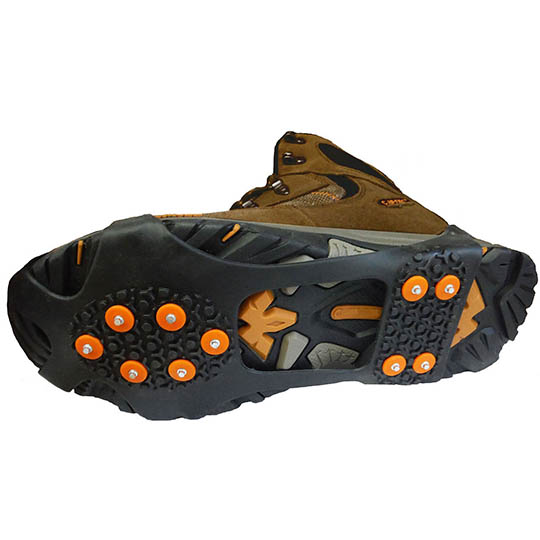
Ice cleats are designed to provide extra grip on slippery surfaces like ice and packed snow. They attach to your existing footwear, adding spikes or treads that dig into the ice, reducing the risk of slipping. Many users report significant improvements in stability when wearing ice cleats, making outdoor activities safer and more enjoyable during winter.
Ice Cleats vs. Crampons: What's the Difference?
While both ice cleats and crampons enhance traction, they serve different purposes:
- Ice Cleats: Ideal for everyday use, such as walking the dog, shoveling the driveway, or commuting to work. They are lightweight, easy to put on and take off, and suitable for flat or mildly uneven terrain.
- Crampons: Designed for mountaineering, ice climbing, and traversing steep, icy slopes. They are heavier, more robust, and have longer spikes to grip into hard ice and snow.
How to Choose the Right Ice Cleats
Selecting the appropriate ice cleats depends on your intended activities:
- Activity Level: For casual walking, opt for lightweight cleats with moderate traction. For running or hiking, consider models with enhanced grip and durability.
- Fit and Compatibility: Ensure the cleats fit your footwear properly. Some brands offer one-size-fits-all options, while others require specific sizing.
- Type of Terrain: Assess the typical conditions you'll face. For urban environments with occasional ice patches, spikeless options might suffice. In rural or consistently icy areas, cleated models provide better security.
Can You Still Slip with Ice Cleats?
While ice cleats significantly reduce the risk of slipping, they do not guarantee complete safety. It's important to remain cautious, as sudden movements or extremely slick surfaces like black ice can still pose hazards.
Do Ice Cleats Work on Black Ice?
Black ice is notoriously treacherous because it's hard to see. Ice cleats can improve traction on black ice, but it's advisable to take extra care, as this type of ice offers minimal friction.
Tips for Fitting Ice Cleats
- Proper Attachment: Follow the manufacturer's instructions to ensure the cleats are securely fastened to your footwear.
- Test Before Use: Walk around a safe area to make sure they feel comfortable and stable.
- Adjust as Needed: If the cleats shift or feel loose, readjust them to prevent accidents.
Are Ice Cleats Necessary?
For those living in regions with harsh winters, ice cleats can be a valuable investment. They enhance safety during daily activities and can prevent injuries that lead to missed workdays or costly medical bills.
Can You Wear Ice Cleats Indoors?
It's generally not recommended to wear ice cleats indoors. The spikes can damage flooring and create slippery conditions on hard surfaces. Always remove them before entering buildings.
How Long Do Ice Cleats Last?
The lifespan of ice cleats varies based on frequency of use, terrain, and build quality. Some models feature replaceable spikes, allowing for extended use over multiple seasons.
Alternatives to Ice Cleats
If ice cleats aren't an option, consider these alternatives:
- Non-Slip Shoe Covers: Provide minimal traction and are easy to carry.
- Sand or Grit: Sprinkle on walkways to increase friction.
- Footwear with Enhanced Tread: Some winter boots come with specialized soles designed for icy conditions.
Tips for Walking Safely on Ice Without Cleats
- Short Steps: Take smaller steps to maintain balance.
- Flat Footed: Place your entire foot down at once rather than heel-to-toe.
- Use Handrails: When available, hold onto railings for additional support.
- Stay Alert: Watch for glossy or wet-looking surfaces that may indicate ice.
What Shoes Are Best for Slippery Ice?
Footwear with rubber soles and deep treads offers better grip on ice. Boots designed for winter conditions often incorporate materials that remain flexible in cold temperatures, enhancing traction.
Improving Traction When Stuck on Ice
If you find yourself slipping:
- Create Traction: Scatter sand, kitty litter, or salt around the area.
- Adjust Weight Distribution: Bend slightly forward to keep your center of gravity over your feet.
- Use Poles or Supports: Hiking poles can provide additional stability.
Maintaining Your Ice Cleats
- Regular Inspection: Check for worn or damaged spikes.
- Cleaning: Remove debris after use to prevent corrosion.
- Storage: Keep them in a dry place to prolong their lifespan.
Conclusion
Ice cleats play a significant role in enhancing safety during winter. By choosing the right type and using them correctly, you can reduce the risk of slips and falls on icy surfaces. Whether you're walking to work, running on snowy trails, or simply stepping outside to shovel the driveway, proper traction devices make winter activities safer and more enjoyable.